Irini Mihas is a senior majoring in English and minoring in journalism. Irini is an LAS Copywriting Intern, where she contribues digital media content for the College of LAS Office of Marketing & Communications team. In her free time, Irini loves to read, take care of her dog, and bake.
Starting on the 4th floor of Lincoln Hall, the Spurlock Museum has had a place on campus since 1911. The museum currently holds more than 50,000 artifacts across 6 different continents and attracts over 50,000 visitors each year. With the History major being a part of LAS, the Spurlock Museum has much to offer students and has a rich history to explore.
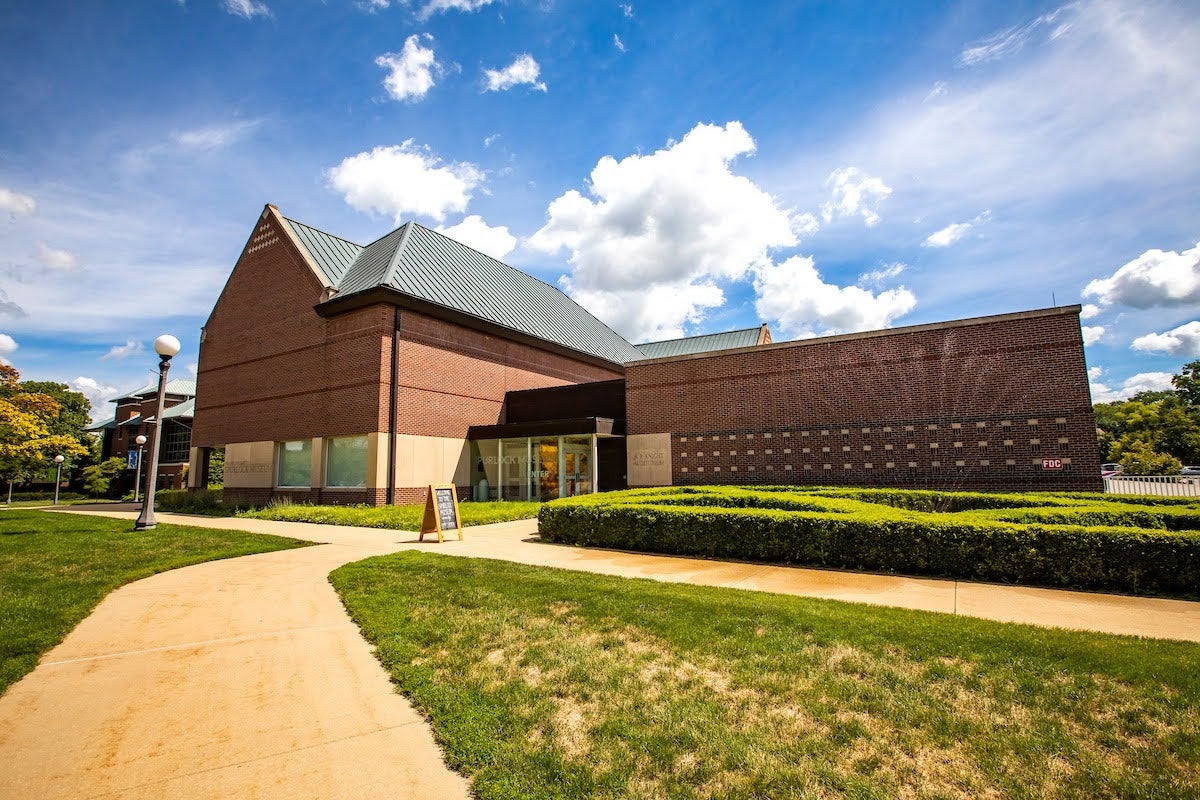
Featuring 9 permanent exhibits and rotating special exhibits, the museum frequently hosts weekly events, tours, lectures, creative activities and more. Their 2 current special exhibits are called Women's Networks and Unfinished Revolutions: Living Stories of American Rights. Women’s Networks showcases the channels through which women shared information and experiences in a time when they were severely oppressed. Unfinished Revolutions explores the efforts from resistant individuals which the United States of America is built upon.
The permanent exhibits are organized by geography and cover at least hundreds of years of human history across a range of themes. On the ground floor, there are the North, Central, and South Americas and the Ancient Mediterranean exhibits. The upper floor features the exhibits of East Asia, Southeast Asia, Oceania, Europe, Africa, Ancient Mesopotamia, and Ancient Egypt. The Spurlock Museum website also features their 6 online exhibits.
Also found on their website is information on their notable collections. One of the collections is the Maya Textiles of Guatemala, which is one of the largest research collections at the museum. This collection includes nearly 1,000 articles of clothing and represents the vast amount of items the museum has in its archives.
Spurlock Museum also has many opportunities for students to grow their professional career. History majors, which are housed under the university’s College of Liberal Arts & Sciences, frequently seek out the paid internships Spurlock has to offer. The internship allows students to work with the artifacts of the museum, learn how to educate visitors about the museum and artifacts, assist with designing and setting up new exhibits and more. This experience is important for the College of LAS’ history majors as they get to explore history hands-on. Although it is common for history majors to seek out internship opportunities at Spurlock, they are open to many majors. The museum also features a blog where students and staff write about various artifacts, processes, and events of the museum.
Students also have the opportunity to complete research work with the museum. Students can contact the museum for more information on how to produce research, write a thesis, enroll in research courses and more involving the Spurlock Museum. Several LAS courses also host their classes within the museum.
After the initial establishment of the museum in 1911, the Spurlock Museum was divided into two; the Museum of Classical Archaeology and Art and the Museum of European Cultures. During the early years of the Great Depression in 1931, the museum faced drastic cuts despite still being functional. Then, in 1962, all 3 museums merged and by 1971, permanent African and East Asian exhibits were created and the museum was renamed to The World Heritage Museum.
1990 is the start of the development of the museum currently on campus. Years prior, the museum was given permission to raise funds and then in 1990, alumnus William R. Spurlock made a large donation towards the museum. The World Heritage Museum then closed in 1998 and was moved into the current location of the Spurlock Museum and renamed as such.
The museum’s frequent events allow for many students and community members to get involved with the museum and become educated on new topics. One of their recent events was a screening of The Librarians documentary which explores U.S. librarians fighting against book bans. The screening included a panel discussion with Becky Calzada, a librarian in the film and Emily Knox, the interim Dean of the School of Information Sciences and other representatives from community libraries. The museum held the event in their Knight Auditorium which frequently has other lectures, performances and presentations.
Before the event, Spurlock had a welcome reception with popcorn and a chance to look around their exhibits. Their special exhibit, Unfinished Revolutions, was towards the front entrance of their gallery and had many opportunities for community engagement such as the ability to write a response to the exhibit. Following the welcoming reception, gathers went into the auditorium to watch the film.
The film focused on the challenges librarians face—internally and externally—surrounding book bans. Threats, defamatory accusations and general misconduct has surrounded their recent experience as a librarian for attempting to protect their students’ right to read. After the film, there were ample opportunities to ask questions to the visiting librarian from the film. Questions ranged from how her life has changed from when the documentary was filmed and what community members can do to help protect books from restrictions.
The screening of The Librarians highlights the diverse range of events the Spurlock Museum hosts and the variety of personnel they have visiting. Upcoming events feature a performance of Antigone from the What You Will Theatre Company, a Midterm Elections Panel with university journalism alumni, a screening of Suspiria (1977) and more.
Spurlock's Next exhibit is called INTO LIGHT Project—Drug Addiction, Real People: Real Stories Call For Submissions which showcases stories of individuals who passed away from substance abuse. The family of the victims share stories and photos with the INTO LIGHT Project who work with professional artists and writers to then put up the individuals’ portraits and stories to humanize addiction rather than further stigmatize it.
To find out more information about the Spurlock museum including their hours, upcoming events and tours, career opportunities and more, you can visit their website here.