A University of Illinois professor has earned national distinction for his original contributions in the field of microbiology, the American Society of Microbiology has announced.
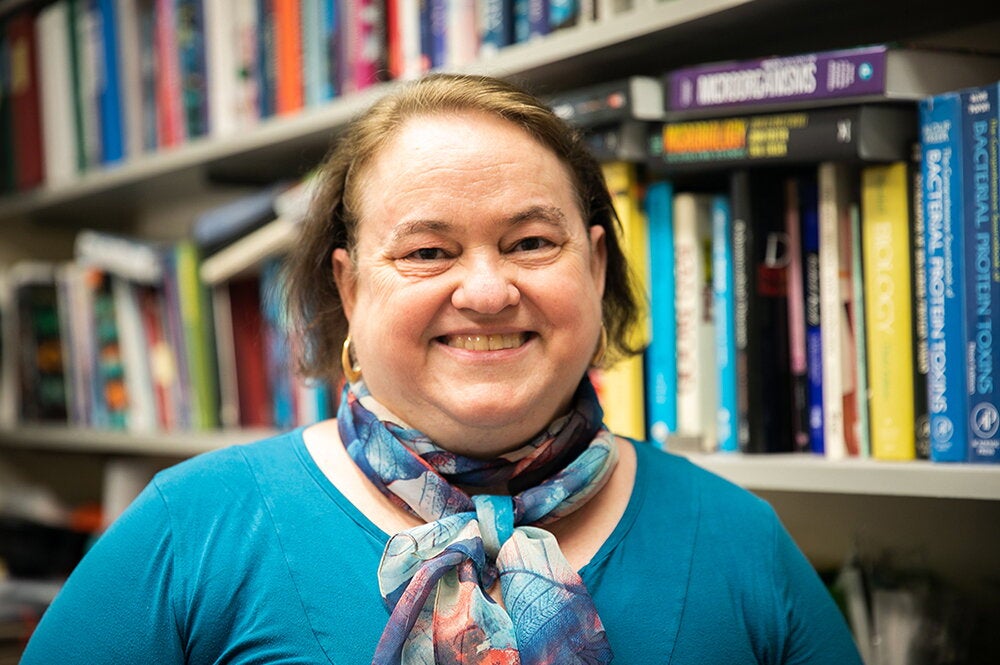
William Metcalf, a microbial geneticist in the Department of Microbiology and the Institute for Genomic Biology, has been elected to Fellowship in the American Academy of Microbiology. He is best known for his study of unusual microbial processes that may lead to new antibiotic drugs and his genetic analysis of methane-producing organisms.
In 2007, Metcalf and his colleagues in chemistry, biochemistry, and chemical and biomolecular engineering, along with researchers at the University of Wisconsin, received a five-year, $7 million grant from the National Institutes of Health to study the medical potential of compounds called phosphonates, which are seen as promising treatments for infectious diseases such as malaria and also may be useful in managing chronic medical conditions.
Metcalf also has been a pioneer in developing methods for genetic analysis of organisms that produce methane. He plans to broaden understanding of these microbes as well as help harness their potential as producers of clean and renewable fuel. Two billion tons of biologically produced methane is released into the atmosphere each year.
“Depending on your viewpoint, this represents a staggering untapped renewable energy source and/or a frightening contribution to global warming, as methane is a potent greenhouse gas,” Metcalf says.
Fellows of the American Academy of Microbiology “are elected annually through a highly selective peer-reviewed process based on their records of scientific achievement,” according to a news release from the organization.