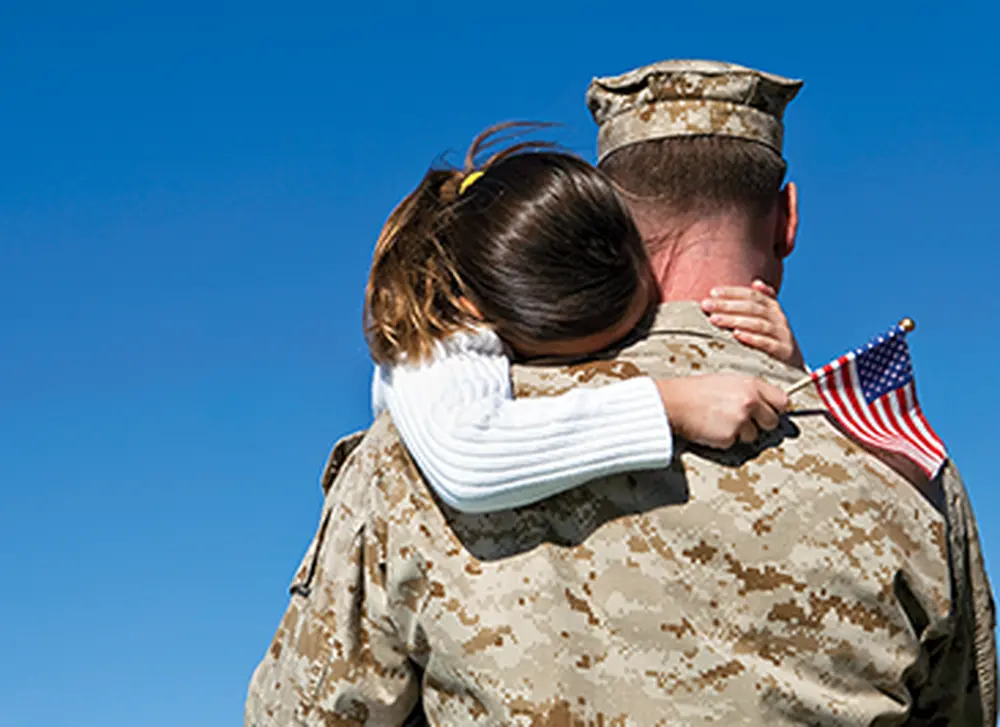
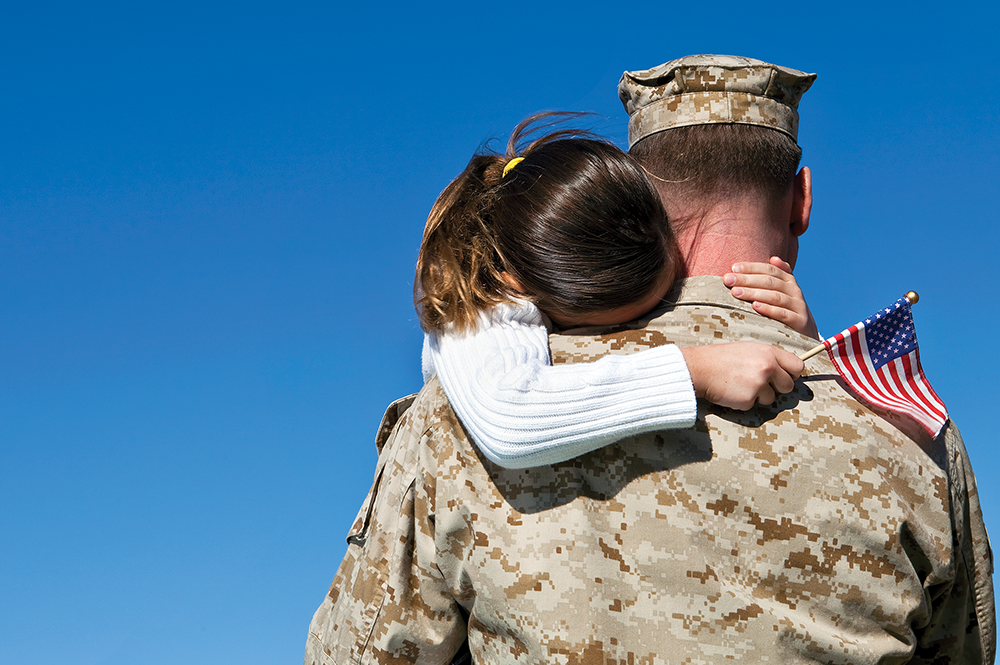
You’ve seen the heartwarming images of U.S. military service members returning home from overseas deployments— military personnel in uniform emerging unexpectedly from the crowd at youth baseball games, the joyful airport reunions, and all the hugs and tears that ensue. But what happens in the aftermath? How do military families communicate during the potentially challenging transition to a new normal?
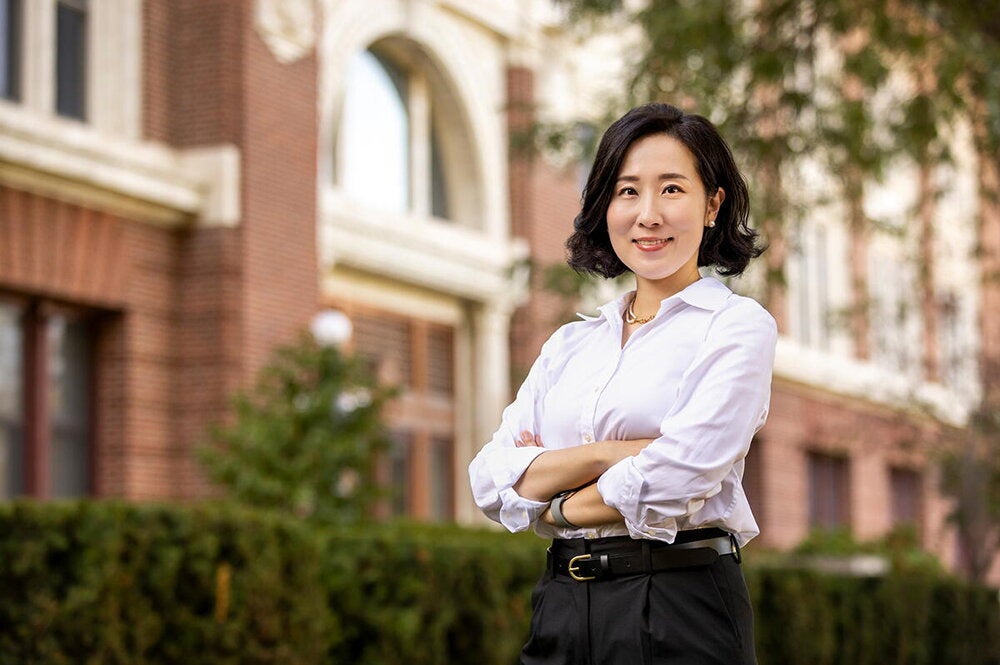
Leanne Knobloch, professor of communication, studies the transition from deployment to reunion, and how military couples and their families interact during this key juncture in their lives.
Her current project is funded by the U.S. Military Operational Medicine Research Program, which awards grants to support scientific research designed to improve the health of service members and their families. Knobloch and her team are studying 500 returning service members and at-home partners who are making the transition from deployment to reunion.
“The goal of our project is to identify how people’s mental health symptoms and relationship characteristics predict their well-being during the post-deployment transition,” Knobloch said.
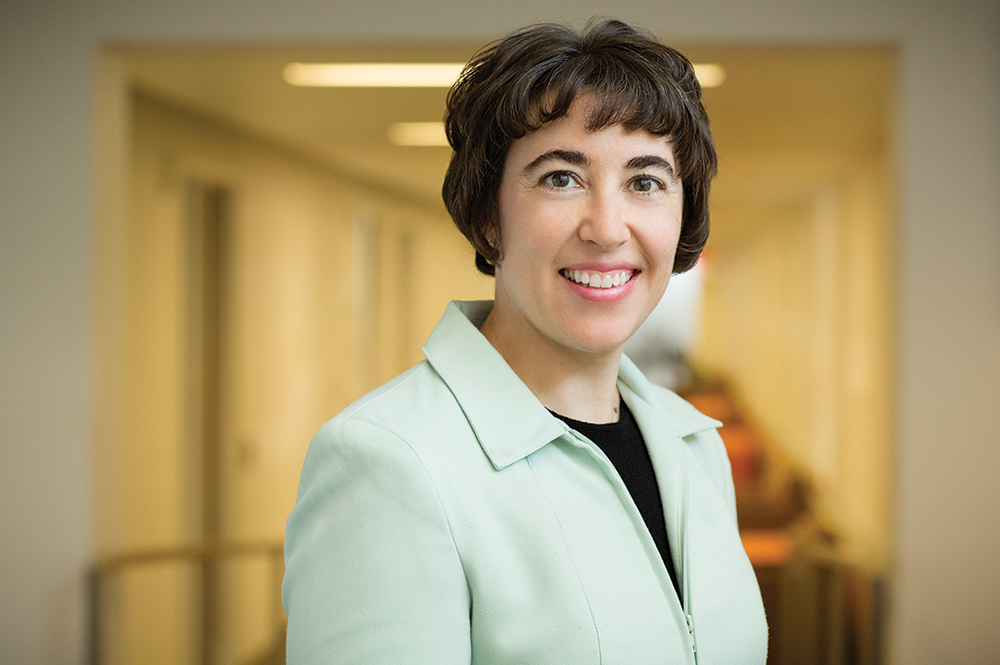
Knobloch describes reintegration after deployment as an exciting time for military couples and families, but it can be challenging for people to adjust to living together again after months apart.
“The news clips and social media posts show the exuberant first moments of homecoming, but those images are not a realistic portrayal of what military couples face,” Knobloch said. “Personalities shift, children grow, neighborhoods change. Acclimating to all of these changes is difficult—even for military families who are thrilled to be together again.”
Her research is designed to understand how this transition unfolds, with the ultimate goal of helping returning service members, at-home partners, and children communicate more effectively upon reunion. The project is geared toward identifying guidelines to assist military families.
“We’re hoping this project will benefit the men, women, and children who so generously serve our country every day,” Knobloch said.