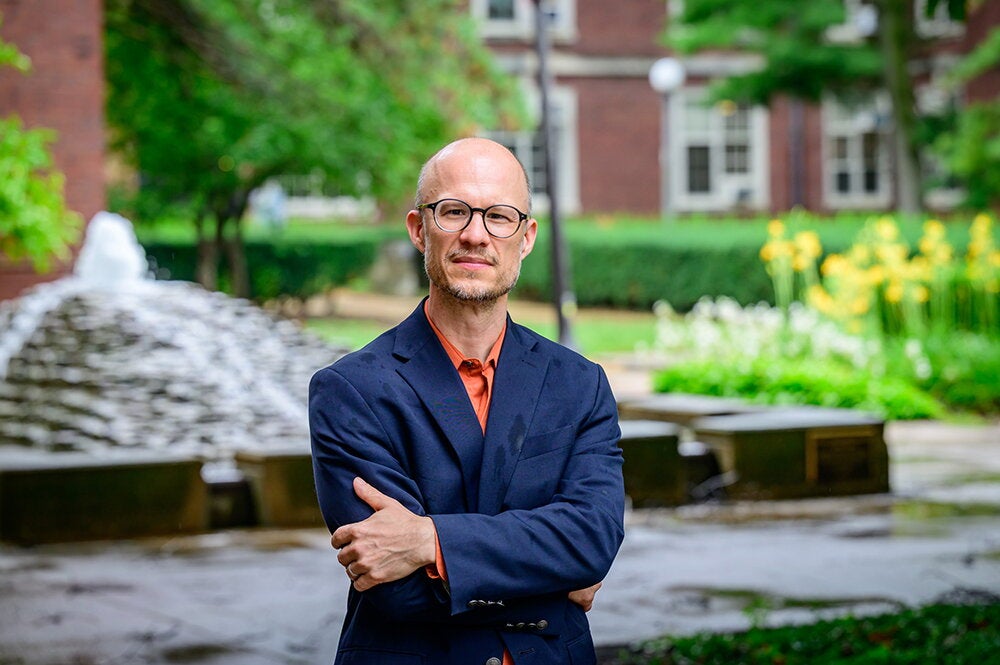
Robert Pahre is a longtime professor of political science at U of I.
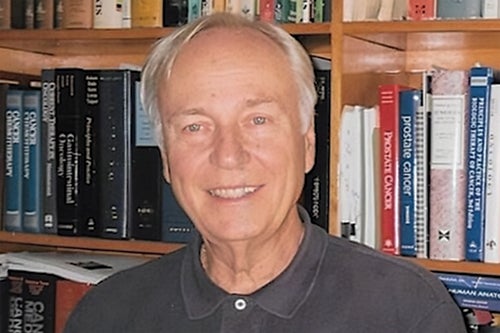
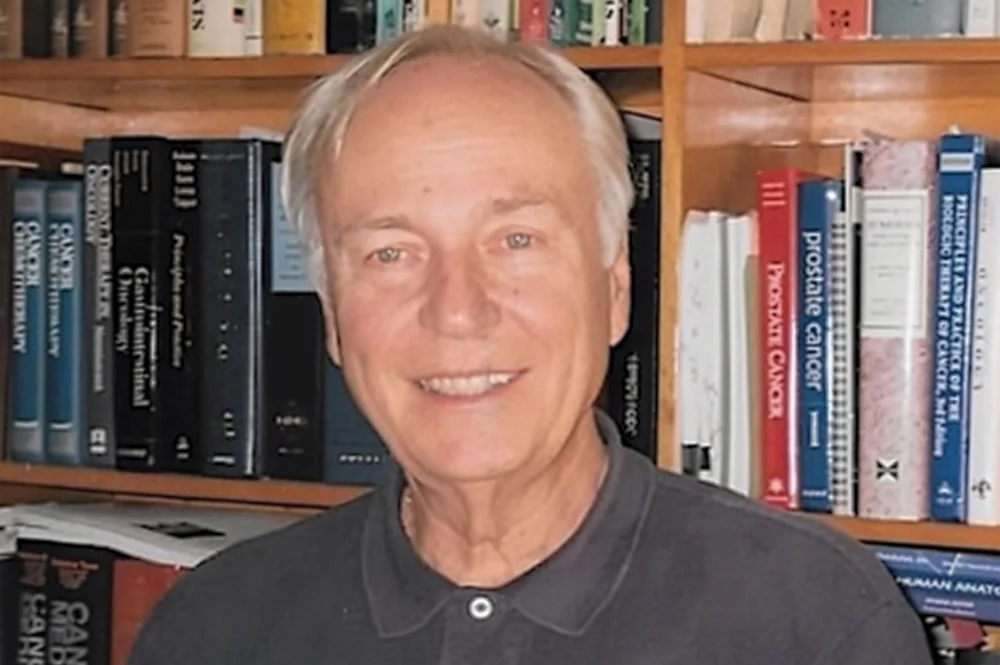
Bob Byars had a vision. Once an assistant professor at Illinois, he had left the university on poor terms. However, he loved his students and remained in touch with many of them. Some suggested creating a scholarship in his honor. Rather than simply accept the honor, Bob crowdsourced an endowment for that scholarship over the next 25 years.
The Bob Byars Scholarship Fund for First-Generation College Students was born in 2003, with $4,773 in gifts. Former students, former colleagues, his wife Ke-Fei, friends, and family have provided the backbone of his efforts. He also used his contacts in the health care field to drum up support from the Robert Wood Johnson Foundation, the Adelante Foundation, and the Knapp-Swezey Foundation.
When I first talked to him in 2016, Bob wanted the Byars Fund to reach $50,000 by the time he turned 80 years old. Since it had $47,286 at that point, that was an easy goal to reach. By then, the Byars Fund had awarded scholarships to 14 students. The amounts started small, but each recipient received about $2,000 in 2016. Some of those recipients even began to make their own gifts — a fact that gave Bob great pleasure. The scholarships had made a difference.
Bob had chosen his goal well. About 20% of the freshmen at U of I are the first in their family to attend college. He knew that first generation students from low-income families are at higher risk of dropping out because of the special challenges they face financially, socially, and academically. Targeting this population provides key support for them.
Having reached his first milestone, Bob set a new goal — $100,000 in his lifetime. He made it more than halfway to that goal. When he passed, aged 87, on February 7, 2025, the Byars Fund had had over $82,500. It continues to award scholarships of about $2,000.
I find this a remarkable story. It became even more remarkable as I learned more about Bob’s life. After earning his bachelor’s degree from the University of Arizona, he had earned his PhD in political science at the University of Illinois. The department then appointed him an assistant professor of political science in 1968.
Those were politically turbulent years, with the Civil Rights Movement and protests against the Vietnam War shaping student life. Bob was always engaged in those movements, and his students appreciated his support. Universities were also changing, however. They were increasingly dependent on research dollars and graduate student training.
Bob came up for promotion and tenure at this time of change inside and outside the academy. When he did not receive promotion with tenure, he believed his campus activism had gotten in the way. Fifty years later, I also think that the changing university helped explain why he failed to impress administrators even though he had strong support from his faculty colleagues.
Whatever the reason, Bob’s students reacted by mobilizing. Their protests culminated in a symbolic funeral procession for “Bob’s Professorship.” It featured an actual coffin and a song by Kristen Lems, “The Ballad of Bob Byars.”
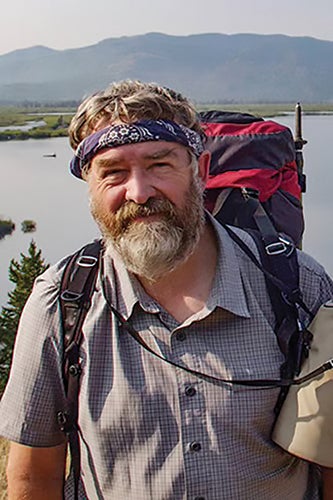
Bob left campus in 1975. He met his wife in China and then settled his family in Arizona. He worked for state government in both administrative and advisory roles. He was particularly proud of his collaboration with Dr. George R. Pettit II of the Cancer Research Institute at Arizona State University. That work culminated in his book, “Waging War on Cancer: Dr. Pettit’s Lifelong Quest to Find Cures.”
It would have been easy for Bob to turn his back on the University of Illinois, but he wasn’t that kind of person. As Bob wrote later, “I don’t hold onto anger, although I was really upset at the time.” He came to see the department at the place where he and his students had worked together on behalf of good causes. The fund reflected this. It expressed his hope that, after graduation, “the scholarship recipients will use their acquired political skills to help make the world a more peaceful, just, and environmentally safe place for everyone to enjoy.”
Bob lived that life himself. He lived in a Tibetan Buddhist community while working with troubled teens, helped start a food bank in Houston, and he collaborated worked with Jesuits on death penalty reform. As those associations suggest, Bob saw himself as deeply spiritual, a Christian who learned much from Buddhism and other Eastern religions.
He always signed his emails, “Namaste.” Let us join him: Namaste.
The Bob Byars Scholarship for First-Generation College Students is a need-based scholarship for individuals who are pursuing a degree in political science at the University of Illinois.
“I work 32 hours a week to support myself while attending school, and the Byars Scholarship has helped fill the gaps between my financial aid and the actual cost of attending college,” said Lilly Mitchell, who is majoring in political science and minoring in sociology and legal studies. “This scholarship has also been a strong motivating force for me to continue excelling in my studies, as I hope one day to give back to students in the same way the Bob Byers Scholarship has supported me!”
Editor's note: This story first appeared in the Spring 2026 issue of The Quadrangle.