A caution to nature-loving idealists everywhere: At the intersection of politics and nature, politics usually wins, even over the best intentions, says political scientist Robert Pahre.
“Politics screws up outcomes that everybody says they want,” says Pahre, a U of I professor whose environmental research and teaching has focused on national parks and issues along their borders.
Agreements are made to maintain sustainable populations of wildlife, for example, “yet it’s almost never true that we get that result,” Pahre says. In combining the needs of biology with the realities of politics, the outcome is almost always biased against what is sustainable, he says. For example, international management of bluefin tuna has been a complete failure, and because of similar failures, many other seafoods may be gone from dinner plates within two decades, he says.
Likewise, even though the U.S. has set aside national parks, the needs of people almost always outweigh the needs of nature there, Pahre says. In many cases, parks are too small to accommodate their animal populations, and predators have periodically been hunted down, he says. Scenic mountains and alpine habitats are set aside, but not many rivers and no tallgrass prairies. National forests and other federal lands are often managed with timber, mining and grazing interests in mind.
There is little vision for setting aside places with the idea that “this is going to be the place where we’re going to let nature be alone,” or to protect samples of ecosystems, he says. “If you look at the lower 48 states, we’re already using a huge proportion of the land area for human purposes.”

Pahre’s perspective comes in part from research he’s doing that combines animal population models with political models in select areas near national park boundaries. Aiding in that research is work he has done on trade cooperation across national boundaries in Europe.
Pahre’s perspective also is rooted in political science, where institutions and incentives are emphasized as the keys to political problems, rather than educating the public on the issues, he says. “Political scientists almost never believe that it’s a matter of public education,” he says. “Better institutions, with well-enforced rules, usually work better.”
Even in the renewed environmental interest in recent years, nature gets ironically little attention, Pahre says. Much of the environmental focus is ultimately about urban issues or energy, most of it related to climate change.
Recycling, green energy, and sustainable architecture are important issues, Pahre says, “but those issues are really about humans using the resources we have more efficiently in ways that benefit humans.”
“It just seems like an impoverished view of what the environment is or what the planet is,” he says, and maybe not as motivating as experience with nature for changing attitudes about the environment.
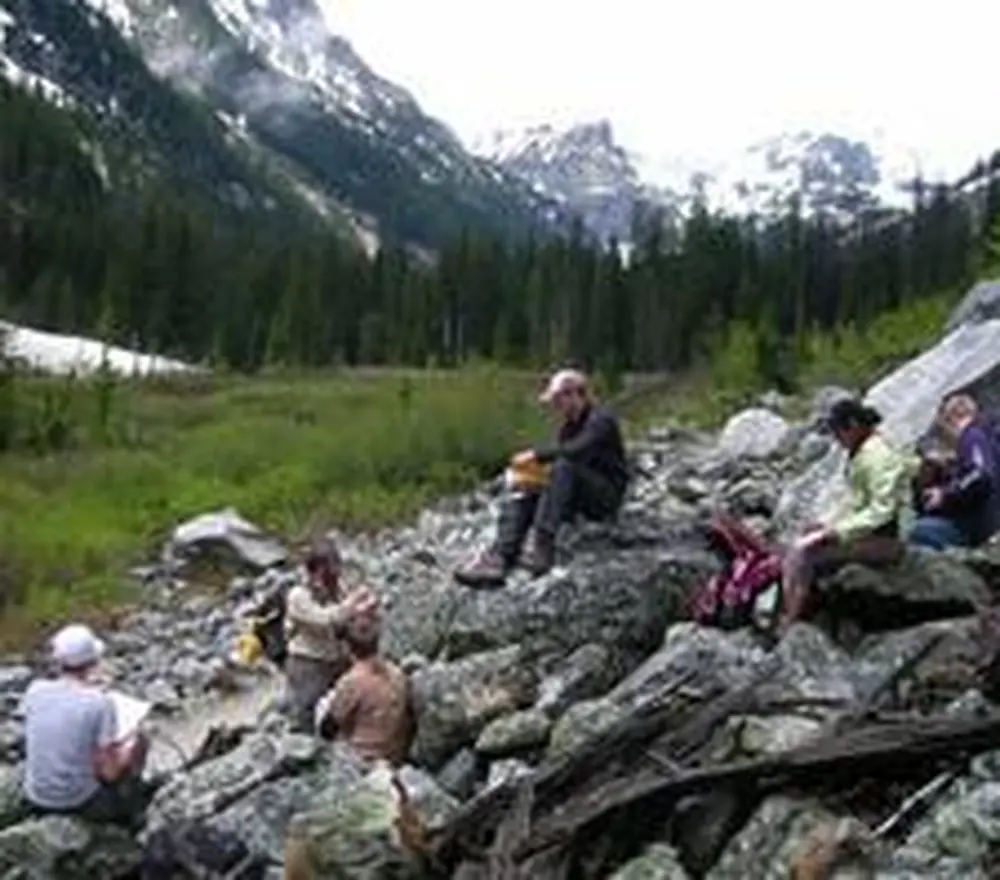
As part of his courses, Pahre has taken students on trips to Yellowstone National Park, in the West, but also to the Mammoth Cave and Great Smoky Mountains national parks, both within a day’s drive of the campus. Other parks with a wealth of activities and wildlife, such as Indiana Dunes National Lakeshore and the Ozark National Scenic Riverways, are just as close, he says.
In fact, there is a National Park Service unit in every state except one, Pahre says. “The parks are next door, they’re in your backyard, in ways that people don’t think about.”