A history professor at the University of Illinois has received a grant from the National Endowment for the Humanities to set the record straight about the previously fictionalized world of a 17th century traveler.
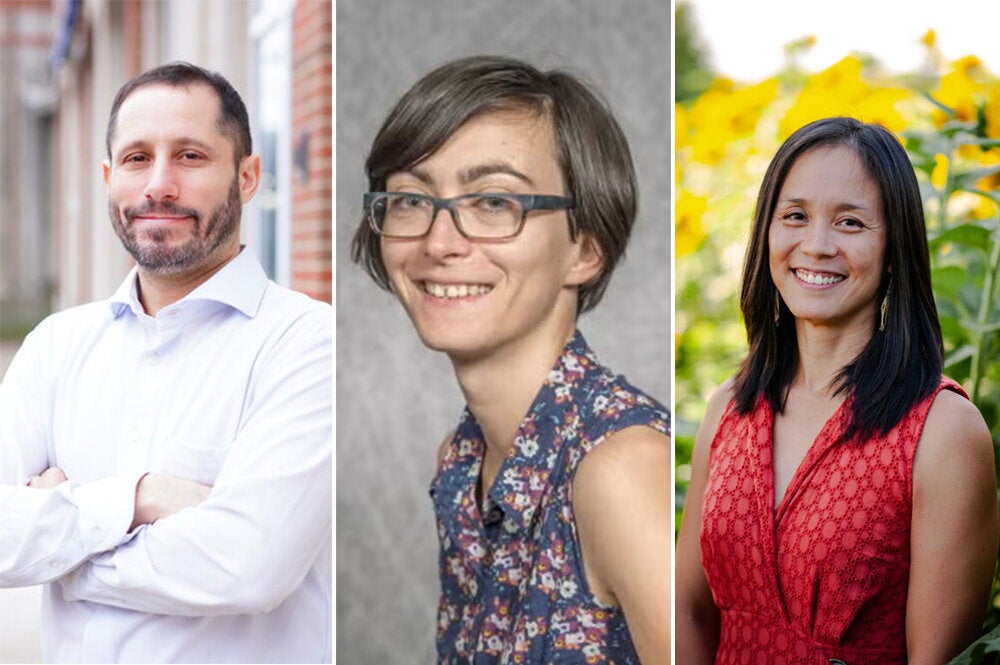
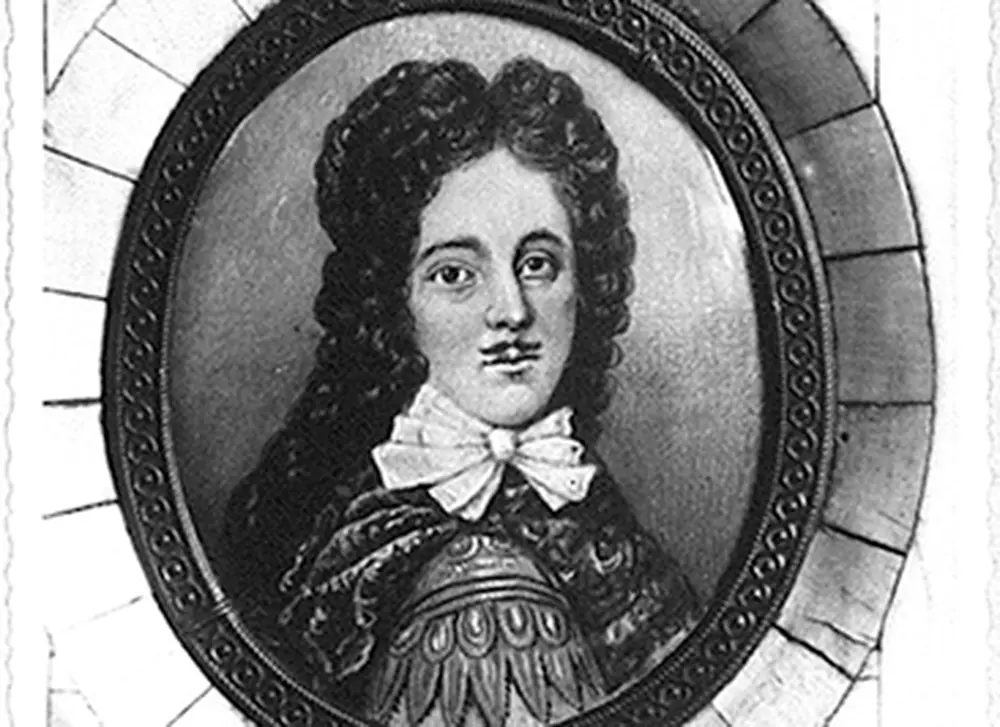
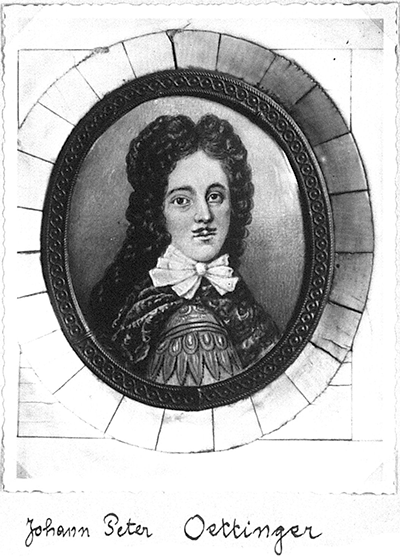
Craig Koslofsky, together with researcher Robert Zaugg of the University of Lausanne, Switzerland, received a grant of about $75,000 to edit and translate the travel account and biography of Johann Peter Oettinger, a barber surgeon who journeyed through Europe, then on to Africa and the Caribbean in the years 1682-1696. Unique as the text itself, the origin story of the duo’s research dates back a few short years.
Koslofsky and Zaugg stumbled upon the 1779 manuscript copy of Johann Peter Oettinger’s journal, “Travel Account and Biography of Johann Peter Oettinger,” in the Oettinger family papers while researching the history of the Brandenburg African Company in Berlin in 2010-11.
Oettinger, who worked on slave ships in the Atlantic trade, provides a rare, firsthand account of the world of slavery in the German language. From barber surgeon in rural Germany to head surgeon on a slave ship, Oettinger details his profession, aiding African women bearing children, exchanging sugar and cotton, and the brutal purchase and treatment of slaves.
Unlike the inaccurate edition of Oettinger’s story published in 1885-86, which deliberately misrepresented Oettinger’s experiences and perceptions to support 19th century racial stereotypes and colonial fantasies, according to Koslofsky’s proposal statement, the new manuscript provides an accurate account of Oettinger’s travels in his own words. The 1885-86 story, published by his great-great-grandson, contained events and settings that transformed the manuscript into a “fictionalized sort of historical novel.”
With the assistance of the NEH grant in Scholarly Editions and Translations, Koslofsky and Zaugg will provide an annotated, translated account of the barber surgeon to scholars worldwide. The two authors believe the text will be of great use to those studying the era, from the slave trade to the history of medicine. The story behind the text can also show how history can be lost—and recovered.
“Oettinger’s text and story can be used to show how historical evidence is lost, distorted, and recovered, while the content of his travel account be used very effectively in several history and social studies lesson plan categories,” said Koslofsky within the proposal.
The NEH assists comprehensive research and learning in history, literature, philosophy, and other categories within the humanities by providing funding. It’s one of the largest humanities programs in the United States that offers funding for top-rated topics of research proposed by scholars.
“NEH provides support for projects across America that preserve our heritage, promote scholarly discoveries, and make the best of America’s humanities ideas available to all Americans,” said William Adams, chairman of NEH, in a release.
According toNEH, an average of 106 applicants apply per year for the Scholarly Editions and Translations grant with only about 26 being awarded. Koslofsky and Zaugg’s text is planned for release in early 2019.