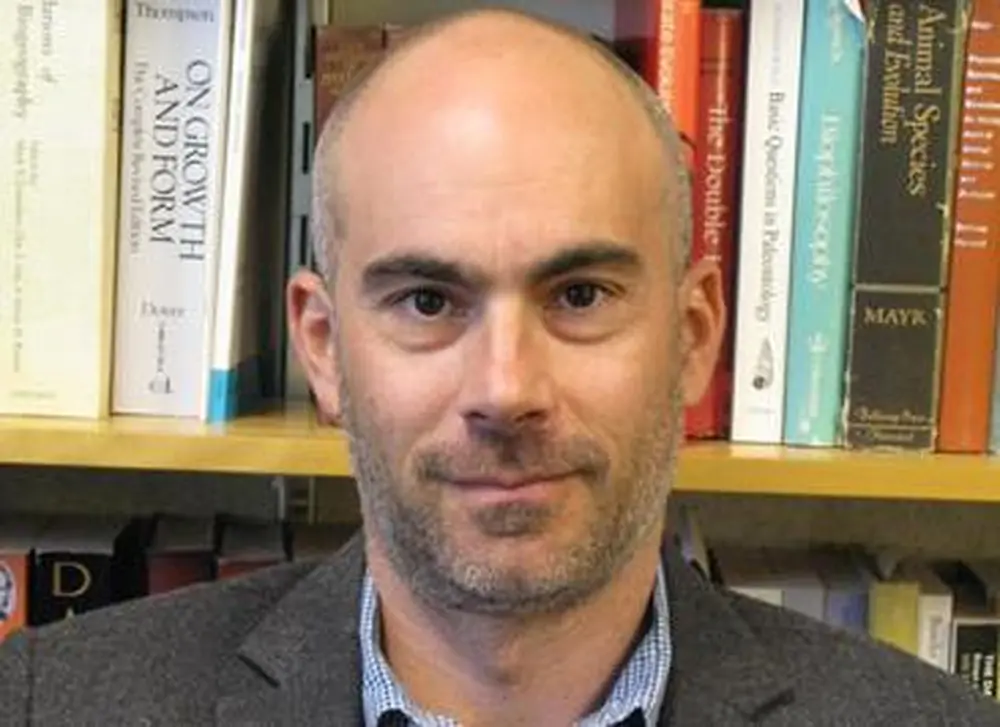
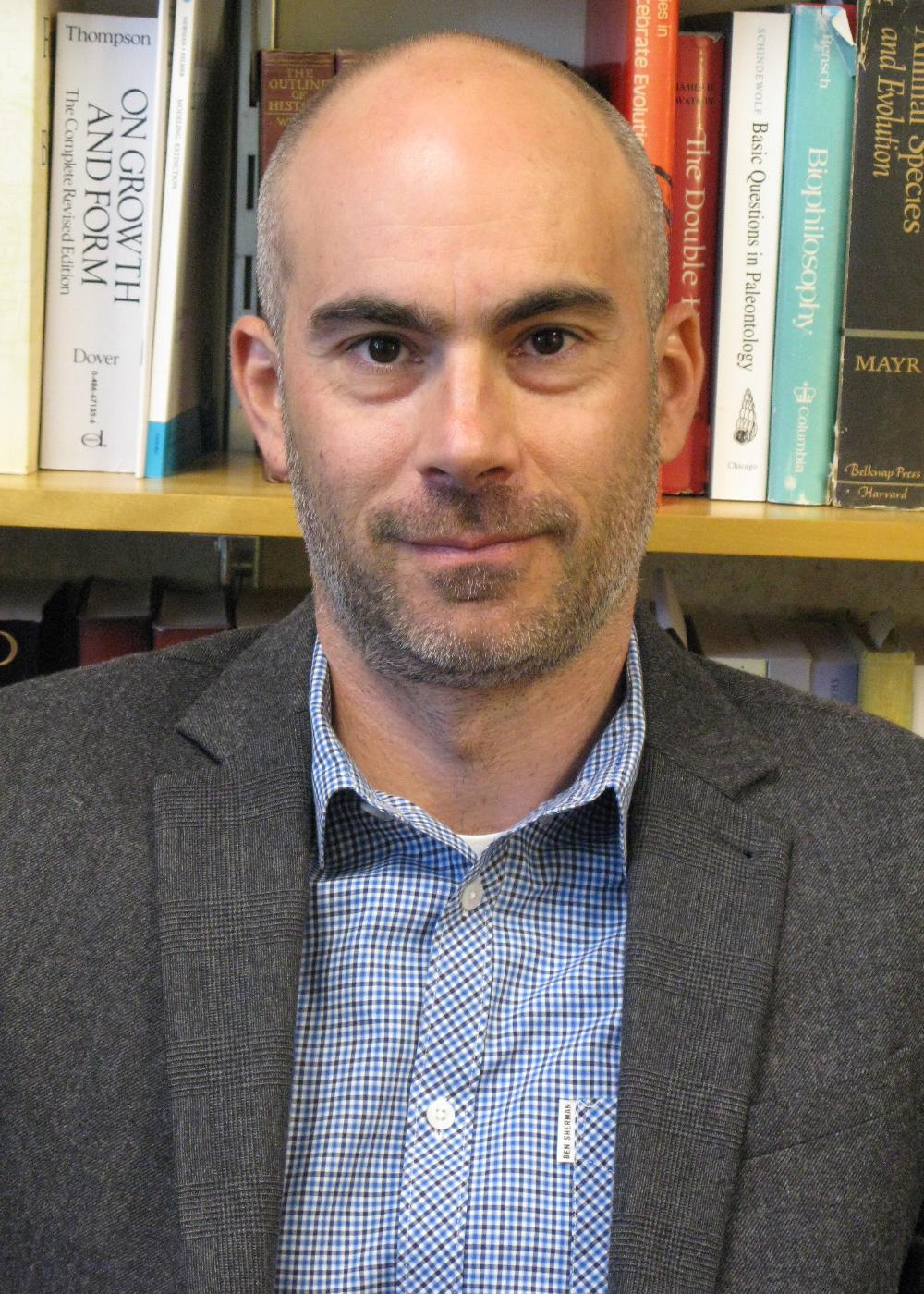
One of the new faculty faces on campus this fall is David Sepkoski, who has spent his career blending the fields of science and history. His father, a paleontologist at the University of Chicago, was his first introduction to the field, and Sepkoski decided to venture further.
“By the time I got to college I realized history of science was a great way to combine two things I always was interested in,” Sepkoski said.
After receiving his doctorate degree in History of Science and Technology from the University of Minnesota, Sepkoski began his faculty career, holding positions at Oberlin College and the University of North Carolina, Wilmington. It eventually led him to the Max Planck Institute for the History of Science, which, located in Berlin, Germany, is regarded as one of the top international centers for the history of science. Today, Sepkoski is one of the most well-known science historians in the field.
This year, the author of three books was appointed the Thomas M. Siebel Chair in History of Science at Illinois, created through a gift from alumnus Thomas Siebel (BA ’75, history; MBA ’83; MS ’85, computer science), and will teach a fall semester class on scientific controversies. The course will examine the history and legacy of biological views about human difference, including race, gender, and innate mental ability.
Sepkoski recently completed a book on scientific theories and attitudes about extinction. He said he’s looking forward to being a part of the university’s strong interdisciplinary commitment.
“The Siebel Chair is just a perfect opportunity because this position is designed for someone like me,” Sepkoski said.
Watch a video interview of Sepkoski.