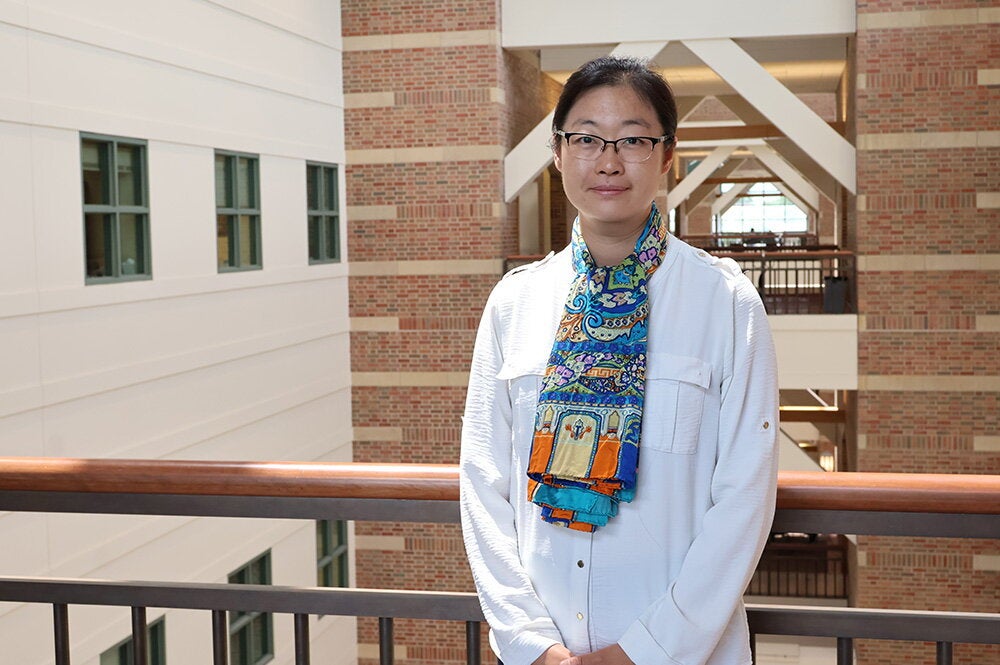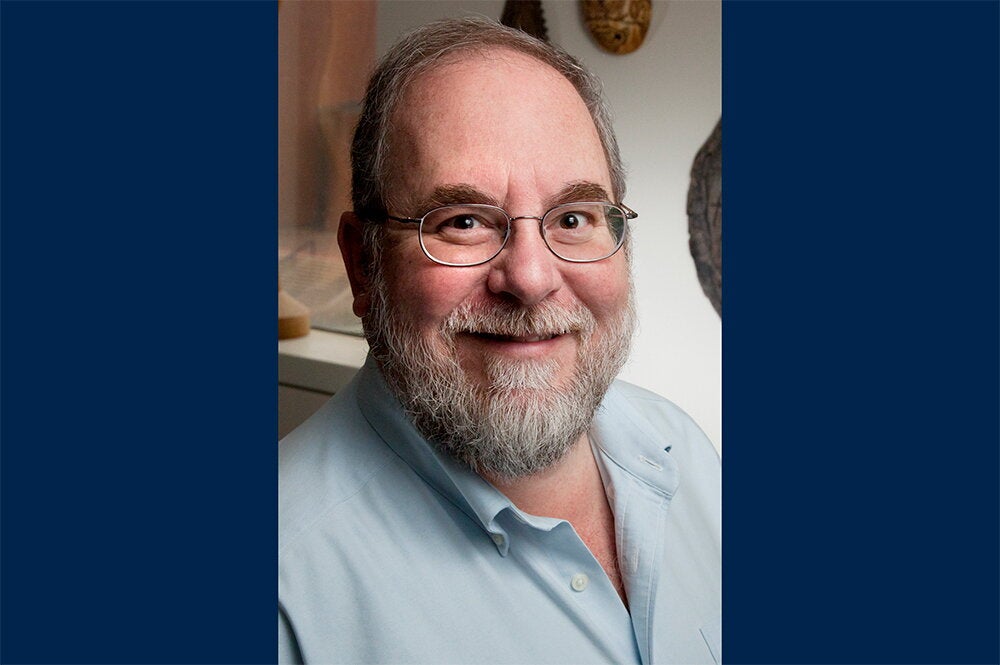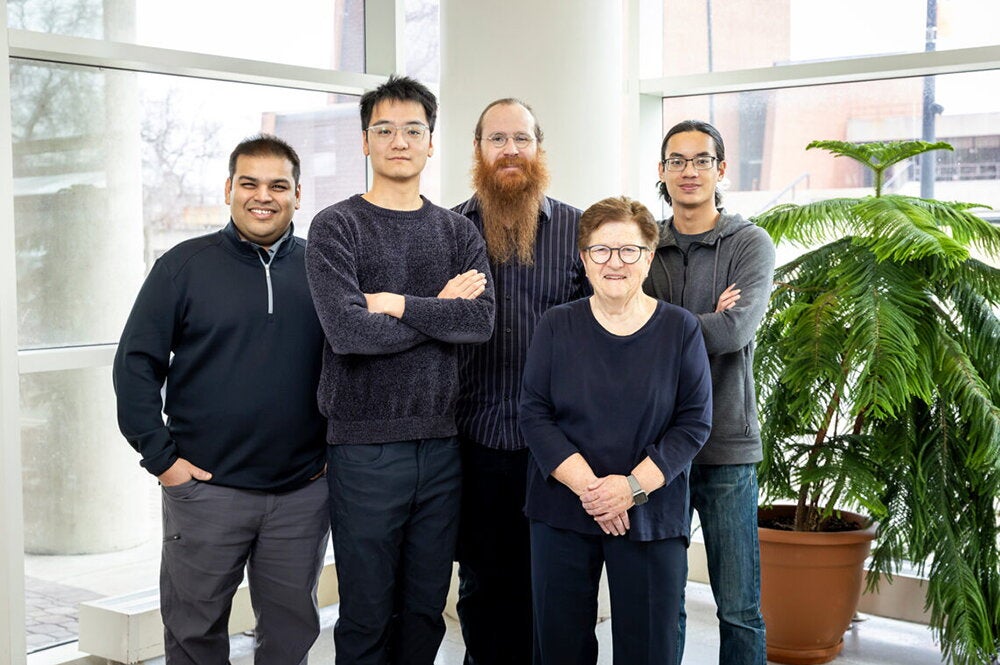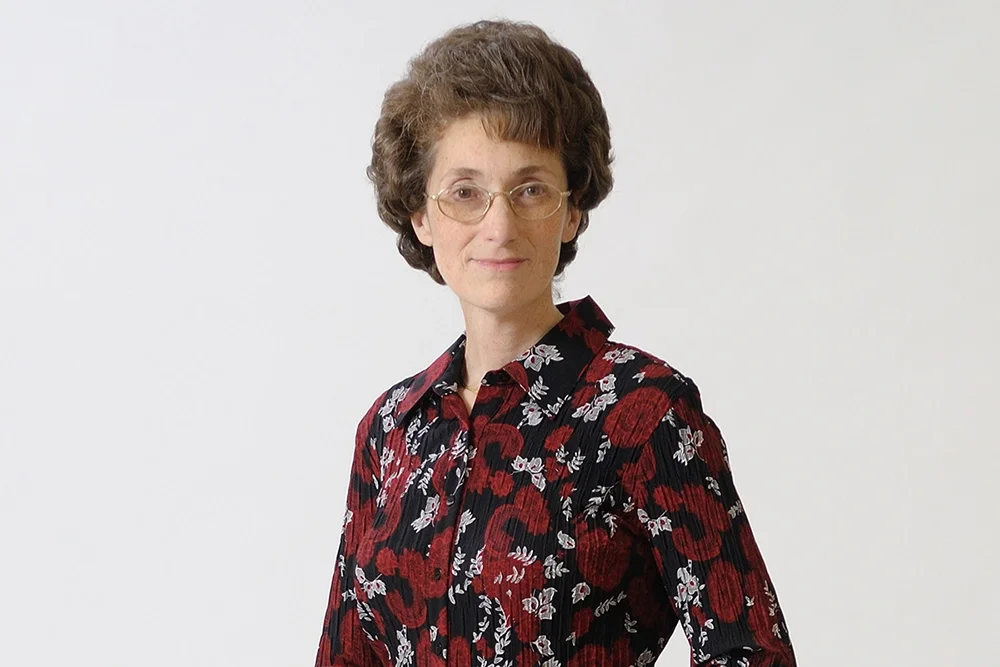
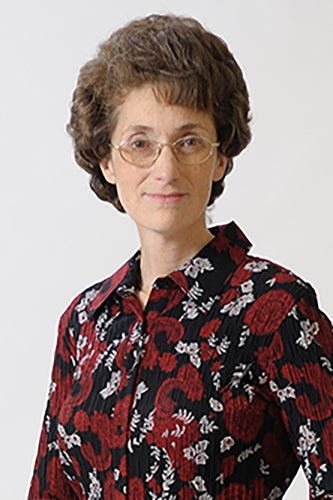
 Chemistry professor Nancy Makri has been elected to the National Academy of Sciences, one of the highest professional honors a scientist can receive. She is among 120 members and 23 international members elected this year to recognize their distinguished and continuing achievements in original research.
Makri is recognized for her work in theoretical quantum dynamics and numerical path integral simulations of quantum mechanical processes. She is the Edward William and Jane Marr Gutgsell Chair, a professor in chemistry and physics, a member of the Illinois Quantum Information Science and Technology Institute and an affiliate of the Beckman Institute for Advanced Science and Technology. She has developed real-time path integral algorithms that address the computational limitations of the Schrödinger equation and is currently studying the effects of electron-vibration interaction on charge and energy transfer.
Makri is the recipient of many awards, including the Beckman Young Investigator Award, the Sloan Research Fellowship, the Packard Fellowship for Science and Engineering, the Bodossaki Academic Prize in Physical Sciences, and the American Chemical Society Award in Theoretical Chemistry. She is a medalist and a member of the International Academy for Quantum Molecular Science, a fellow of the American Physical Society, and a member of the American Academy of Arts and Sciences.
She holds a bachelor's degree from the University of Athens and a doctoral degree from the University of California, Berkeley. She spent two years as a junior fellow at Harvard before joining the faculty at Illinois in the spring of 1992.
The complete list of individuals elected to the National Academy of Sciences in 2023 is available online.